Rowena Dasch
Executive director, Neill-Cochran House Museum
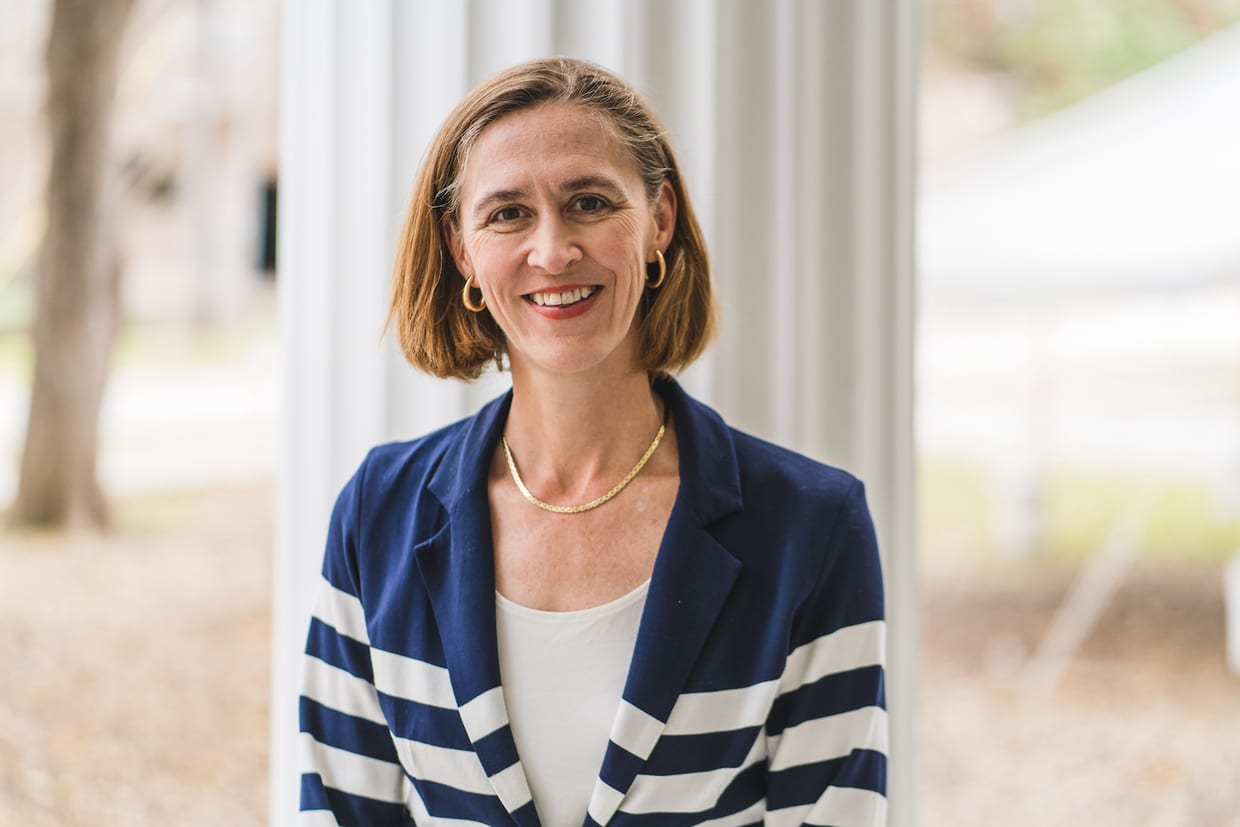
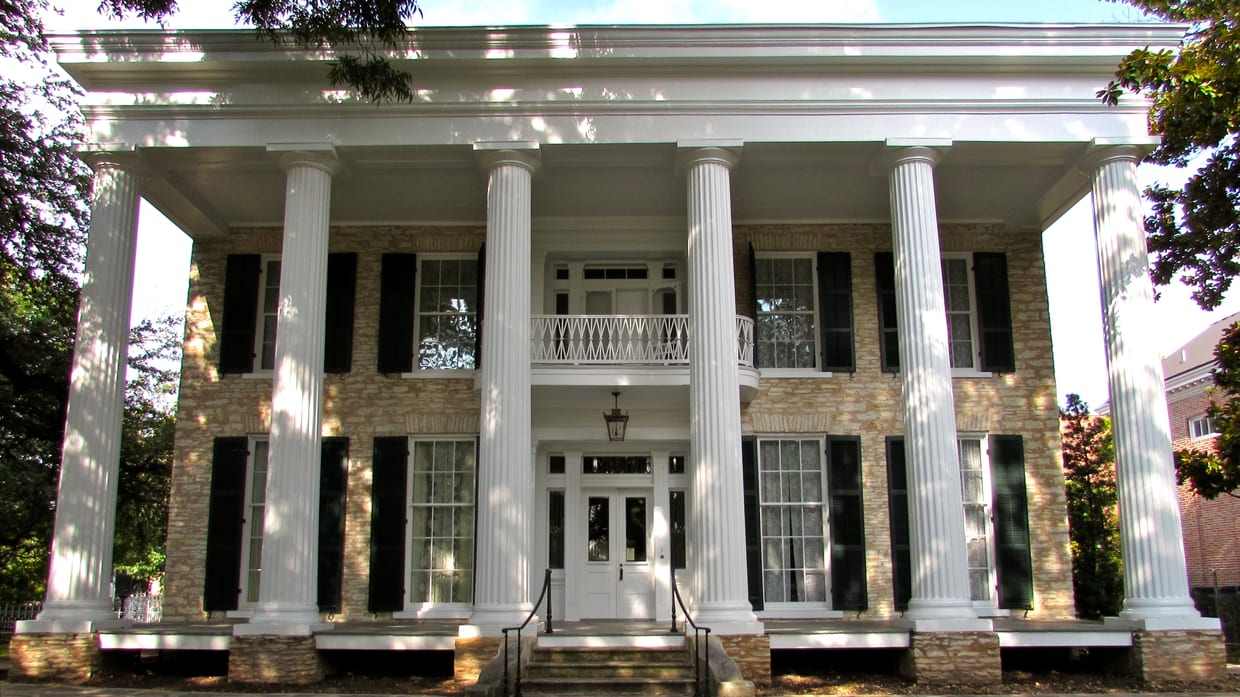
Rowena Dasch is the executive director of the Neill-Cochran House Museum, an 1856 historic site in the heart of West Campus near UT-Austin. The museum shares the history of Austin from its founding in 1839 into the 20th century through the people who lived and labored there and in the nearby freedom colony of Wheatville, and it is the steward of the only intact and accessible slave dwelling left in the city.
Originally from Houston, Rowena went to college on the east coast and then moved to New York, where a degree in art and archaeology led her to advertising account management. She loved living in Manhattan but found the work soul-sucking, and realizing she could not see a future that did not involve art history, she came to UT-Austin for graduate school in 2000 with her then-fiance Kevin. They assumed they would end up somewhere between Washington, DC and Boston, but they fell for Austin’s temperate winters and the laid-back pace of life, and stayed.
Since arriving at the museum in 2013, she has worked to transform a small historic house into a space for community, growing attendance to over 10,000 visitors a year and bringing attention to Austin’s racial history. She is a true believer that the only way to make sense of the present is to understand the past.
Rowena answered these questions in writing, in October 2026.
What do you make or do, in plain words?
I am the executive director of the Neill-Cochran House Museum. We are an 1856 historic site located in the heart of West Campus, near UT-Austin. We share the history of Austin from its founding in 1839 up into the 20th century through the people who lived and labored at our site and in the nearby freedom colony of Wheatville. We also are the stewards of the only intact and accessible slave dwelling left in the city of Austin.
How did you land in Austin, and why did you stay?
I am originally from Houston. I went to college on the east coast and then made the natural transition to New York where I attempted to do as my parents asked, find a way to gainful employment with an art and archaeology degree. I landed in advertising account management, and while I loved living in Manhattan, I found the work soul-sucking. Realizing that I really couldn’t see a future that didn’t involve art history, I came to UT-Austin for graduate school in 2000 with my then-fiance in tow. Kevin was from Baltimore and we both assumed we would end up somewhere between Washington, DC and Boston after I completed graduate school, but we fell for Austin’s temperate winters (having to purchase a scraper during snowpocalypse in 2021 felt like a real betrayal on the part of Texas weather) and the laid-back pace of life.
What is the thing you have made or done here that you are proudest of?
I arrived at the Neill-Cochran House Museum in 2013, and over the past thirteen years we have accomplished so much. I am most proud of the way we have transformed this small site into a space for community. We are a historic house museum and the history we share matters; I am a true believer that the only way to make sense of the present is to understand the past. However, not all people think that history is a way they want to spend their leisure time. We host art exhibitions, live music and theater, craft-based family programming, and Moth-style storytelling at the museum, on top of a robust lecture series. I am proud to say that Austinites are finding us and discovering that whatever your interests might be, we have something for you. In the process we have grown our attendance to over 10,000 visitors a year, with 3 full time and 2 part-time staff members, that’s a 2,000:1 ratio, which I would say is pretty impressive. The other way in which we have focused on community is to bring attention to Austin’s racial history and to welcoming Black Austinites back to our site and to West Campus after generations of exclusion. While the NCHM has never discriminated against any type of visitor, we are in a part of town that did. When Austin passed the 1928 City Plan, Black Austinites were coerced to move to East Austin for city services. The once thriving community of Wheatville just to our north declined in population and the University expanded its footprint with fraternities, sororities, and private housing that excluded people of color. Inviting gospel choirs to sing from our front porch, showing the work of Black artists, like the exhibition on view right now, Thoughts in Fiber: The Work of Deborah A. Moore Harris, and sharing the history of enslavement and free labor at our site are all ways we are working to expand understanding of Austin’s past and to be a space for everyone who makes up our diverse city.
What would you tell someone who moved here last week?
When the time is right (there needs to be water), hit the Barton Creek Greenbelt for a swim at Sculpture Falls. After all these years in Austin, I think that is the most incredible part of this city, a lagoon in the midst of an urban center. There often isn’t water, but when there is, it’s like you’ve found a secret garden.
Where do you actually eat, drink, or hang out? Name real places.
I’m lucky to live in a part of Austin where you can walk to restaurants. Our favorite walkable restaurants are Julio’s in Hyde Park, with amazing chicken and the best mango margaritas in Austin; Hopfield’s, which is one of the only post-10PM options for great food; and Texas French Bread. The TFB fire in 2022 was devastating not just for the restaurant but for the neighborhood. Their reopening is the best thing that has happened in Austin this year. Our family still calls it Texas French Fry because their fries are that good.
What is one opinion you hold about Austin that most people here would argue with?
Don’t complain about the traffic. At the end of the day, while it may be frustrating, it’s a hell of a lot better than driving around any other big city in Texas.
What are you working on next?
After a decade of rapid growth and several major restoration projects, the NCHM is settling into our new skin. That doesn’t mean we aren’t doing new things, though. In November we are bringing Murder Mystery theater to the museum for the first time. I’m also excited for our three major exhibitions in 2027. We will host an exhibit of the work and process of multimedia artist Priscilla Robinson in the spring, a photojournalism exhibit about the cotton industry over the summer, and highlights from the Austin Friends of Folk Art collection in the fall. There is always something to see or do at the NCHM.
Know somebody making Austin more interesting? Tell us your story.